Product-led growth in the age of AI
In short: Product-led growth is more popular in the age of AI, because AI products can show their value in the first session and buyers expect to try before they buy. It works best for products an individual can adopt on their own and spread to their team. It's harder for AI products that need deep access to company systems or sensitive data, and every AI company has to manage the real cost of a free tier.
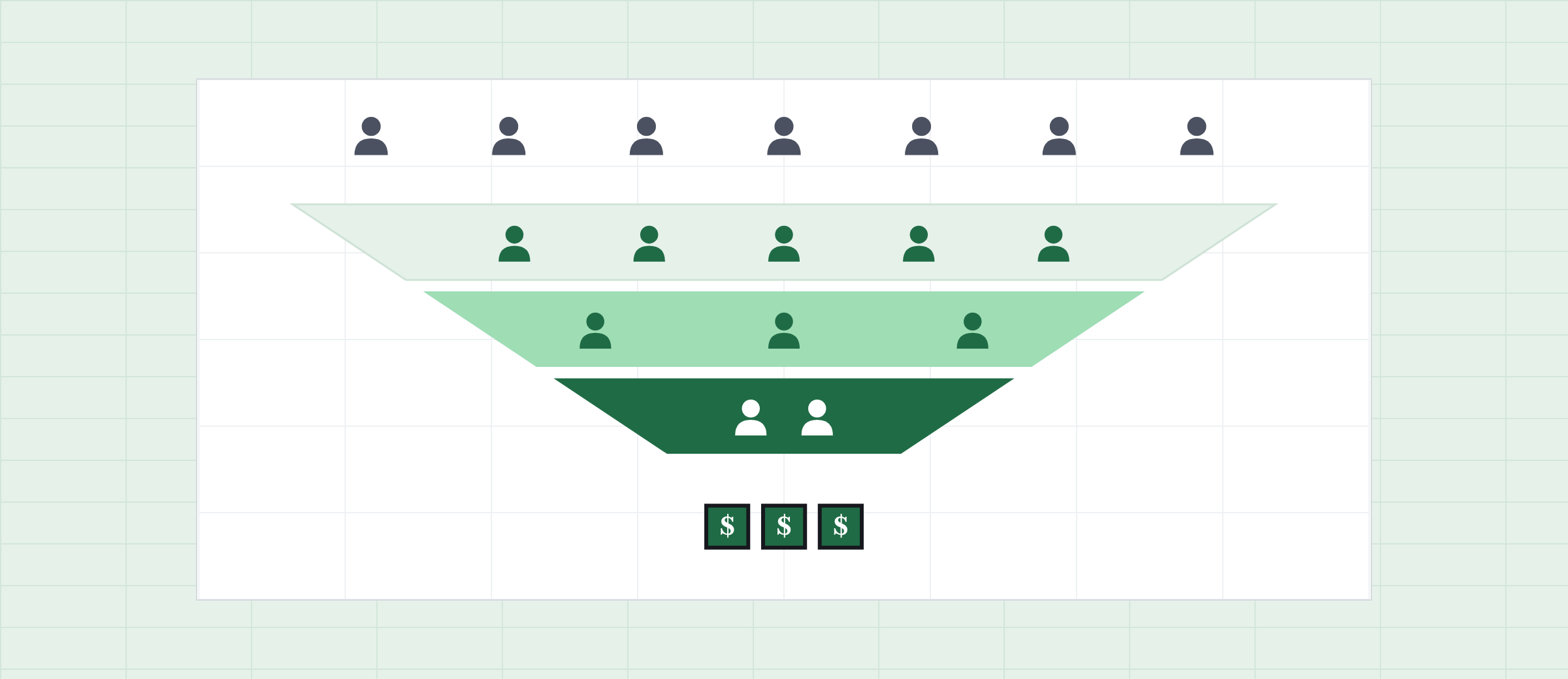
Every few years someone declares product-led growth dead. With AI, I hear the opposite just as often: every AI product should be self-serve, because it sells itself.
Both are too simple. AI makes PLG more popular and more powerful, but it changes what a good PLG motion looks like, and makes who should use it a bigger question.
One post a month on pricing, growth and product. No spam, unsubscribe anytime.
AI makes PLG more popular
Many of the fastest-growing AI products grew the product-led way: individuals signed up, got value right away, brought the product to their teams and pulled in a company-wide deal. Coding assistants, design tools and writing tools spread this way, often before sales was involved.
Three things drive this.
Time to value has collapsed. PLG depends on getting a user to the "aha" moment before they lose interest. Traditional software needed setup, data and training before it was useful. A good AI product delivers something impressive in the first minute: working code, a first draft, an answer to a real question.
Buyers expect to try before they buy. There are more AI products than anyone can evaluate through demos and sales calls, and building is cheap, so new competitors appear monthly. People want to see the product work on their own problem. A free plan or trial earns that trust fastest.
Usage spreads on its own. People share great AI output. A generated analysis lands in a team channel, a prototype gets passed around, a colleague asks what tool made it. That's the organic loop PLG depends on.
What's harder about PLG for AI products
Free is no longer close to free. In traditional SaaS, an extra free user costs almost nothing. With AI, every free user consumes compute, and your heaviest free users can be the most expensive people you serve. A generous free plan can quietly become one of your biggest costs.
Still offer one, but design it deliberately:
- Cap usage with credits or limits so free users experience the value without unlimited cost.
- Put the expensive capabilities behind the paywall, like the most capable models, longer tasks or higher volumes.
- Watch for abuse. Free AI capacity attracts people who want the compute, not the product.
Pricing gets more complicated. As usage costs rise, many AI companies move to usage- or credit-based pricing. That suits PLG, because customers start small and pay more as they get more value. But it makes upgrades less predictable for buyers. The clearer your units and limits, the easier it is to upgrade without talking to sales.
Trust becomes a bigger hurdle. AI products often need access to code, documents, customer data or internal systems to provide value. An individual can try a tool on their own work, but a company-wide rollout raises questions about security, privacy and how the data is used. That's where most AI PLG motions need sales.
Which companies should use PLG
PLG works best when one person can adopt the product, see value alone and spread it to others. I see three groups.

Strong fit: tools for individuals and teams. If one person can sign up, get value in their first session and share the result, PLG should be your primary motion. Think coding assistants, design and writing tools, analytics and notebooks, and productivity tools. Hex is an example: an analyst starts alone, and the work they share pulls their team in.
Good fit, with sales on top: developer tools and infrastructure. Data pipelines, APIs and developer platforms often start with one engineer trying the product, then grow into deployments that need security reviews, contracts and procurement. These companies do best with a hybrid, sometimes called product-led sales: self-serve to start, and a sales team that follows usage signals. At Fivetran, we launched a free plan, free trials for every connector and in-product purchasing, which became how most new customers first bought. As accounts grew, sales helped them expand.
Weaker fit: AI that works deep inside company systems. If your product needs deep integration with company systems, handles sensitive data or is sold on high-risk outcomes, like contract review or security, the buyer usually isn't the person trying it. Value takes longer to prove and depends on the customer's data and processes. These companies do better with sales-led pilots, though a self-serve demo or sandbox helps buyers understand the product before the first call.
A simple test: can one person, without help, get real value in their first session from their own work? If yes, make PLG central. If not, lead with sales and use product-led tactics to support it.